Source Pressure Resistant Fuel Tanker Truck for Transport, Construction, and Storage
Explore 30 listings for pressure resistant fuel tanker truck options suitable for transport, construction, and storage applications. Buyers can compare specifications including load capacity, tank volume, and engine types from verified Chinese manufacturers; compare the available evidence and request quotations based on your requirements.
Key considerations
Products List




Comprehensive Sourcing Guide
Pressure Resistant Fuel Tanker Truck Sourcing Guide
Procuring pressure-resistant fuel tanker trucks requires a disciplined approach to verifying structural integrity and operational safety. Buyers must prioritize vehicles that demonstrate robust construction materials, such as Q345 steel main beams, to ensure longevity under heavy transport conditions. The market offers a diverse range of configurations, from used units to brand-new models, each presenting distinct advantages regarding initial capital expenditure versus long-term maintenance reliability. Understanding the specific condition of the asset is the first critical step in aligning procurement with fleet management goals.
The observed market signals indicate a wide variance in specifications, including engine capacities exceeding eight liters and smaller units under four liters. This diversity allows buyers to match vehicle power to specific load capacities, ranging from eleven to thirty tons. It is essential to evaluate the drive wheel configuration, such as 6x4 or 8x4 setups, against the intended terrain and payload requirements. By carefully analyzing these technical parameters, procurement teams can select a tanker that optimizes fuel efficiency while maintaining the necessary torque for heavy-duty construction and transport applications.
Product Scope and Observed Listing Signals
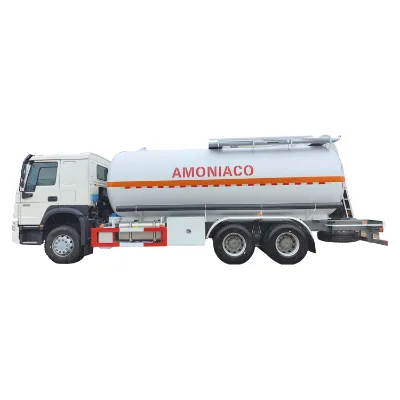
The current listing landscape reveals a broad spectrum of tanker truck models, including specific designations like CLW5310GYYZ6 and CL5181GJYZ6. These models often feature tank volumes between five thousand and fifteen thousand liters, catering to varying logistical demands. Buyers should note that some listings specify tubeless radial tires, which offer improved stability and reduced puncture risks compared to traditional tube-type designs. The presence of customized color options and specific king pin sizes, such as 2-inch or 3.5-inch Jost components, highlights the flexibility available in modern tanker manufacturing to meet unique operational standards.
Shipping and packaging methods vary significantly across suppliers, with options ranging from nude shipping to ocean shipping and RO-RO services. This variability impacts logistics planning and cost estimation, as different packing methods offer varying levels of protection during transit. Additionally, the origin of these vehicles is predominantly China, with specific mentions of Shandong as a manufacturing hub. Buyers must assess whether the listed delivery terms, such as FOB Qingdao Port, align with their import strategies and local customs regulations to avoid unexpected logistical bottlenecks.
Technical Specifications to Verify
Verifying the engine type and emission standard is crucial for ensuring compliance with local environmental regulations. Most observed units utilize diesel engines, though some gasoline-powered options exist, requiring careful selection based on fuel availability and cost. The horsepower range, typically between 251 and 350 hp for larger models, must be matched with the transmission type, which is predominantly manual in the observed data. Buyers should confirm the exact engine capacity and power output to ensure the vehicle can handle the specified load capacity without compromising performance or safety during operation.
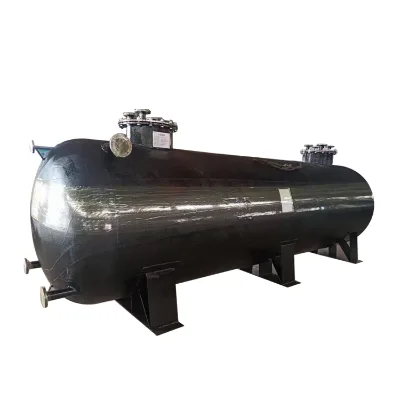
The structural integrity of the tanker is defined by its material composition and mounting type. Metal construction is standard, with horizontal mounting types being common for stability and ease of maintenance. The landing gear, often rated for twenty-eight tons, plays a vital role in supporting the vehicle when detached from the tractor unit. Buyers must verify the dimensions of the tanker, which can range from nine thousand five hundred millimeters to thirteen thousand millimeters in length, to ensure compatibility with existing infrastructure and loading docks at their destination facilities.
Compliance and Safety Documentation
Safety certifications are paramount when sourcing fuel tankers, particularly those designed for pressure-resistant applications. Tire certifications such as ECE, GCC, and ISO are frequently listed, indicating adherence to international safety standards for rolling stock. Buyers must ensure that all critical components, including the tires and structural elements, meet the regulatory requirements of their operating region. The presence of DOT certification in some listings suggests compliance with specific North American standards, which may be relevant for exporters targeting markets with stringent safety protocols.
Documentation regarding the tank’s volume and storage capabilities must be accurate and verifiable. Listings often specify storage for oil, with tank volumes ranging from five thousand to fifteen thousand liters. Buyers should request detailed engineering drawings and pressure test reports to confirm the tank’s ability to withstand operational pressures. Additionally, verifying the customization options available for the tank’s internal structure can help ensure that the vehicle meets specific fuel handling requirements, such as anti-surge baffles or specialized coating for fuel compatibility.
Cost Drivers and Commercial Terms
The price range for these vehicles is substantial, spanning from three thousand five hundred to fifty-eight thousand six hundred USD. This variance is driven by factors such as the vehicle’s condition, engine capacity, and tank volume. New units typically command higher prices due to their warranty coverage and latest technological features, while used units offer a cost-effective alternative for budget-conscious buyers. Understanding these cost drivers helps procurement teams allocate resources effectively and negotiate favorable terms based on the specific value proposition of each listing.
Minimum order quantities (MOQ) are consistently observed at one unit, providing flexibility for buyers who need to replace individual vehicles rather than entire fleets. However, buyers should be aware that additional costs may arise from customization, shipping, and insurance. The delivery term, often FOB Qingdao Port, places the responsibility for freight and insurance on the buyer after the goods are loaded. Clear communication regarding these commercial terms is essential to avoid hidden costs and ensure that the total landed cost aligns with the procurement budget.
Supplier Qualification and Quality Control
Evaluating supplier qualifications is critical to mitigating risks associated with international procurement. Buyers should verify the supplier’s history in manufacturing or exporting heavy-duty vehicles, paying attention to their certification status, such as ISO compliance. The availability of customization services indicates a supplier’s ability to adapt to specific buyer requirements, which can be a valuable asset for specialized applications. However, buyers must conduct thorough due diligence to ensure that the supplier’s claims regarding quality and performance are substantiated by verifiable evidence.
Quality control processes should be clearly defined and agreed upon before placing an order. Buyers should request detailed inspection reports and, if possible, arrange for third-party inspections before shipment. The condition of the vehicle, whether new or used, must be accurately represented in the listing. Buyers should also verify the warranty terms and after-sales support options to ensure that any potential issues can be resolved efficiently. Establishing a clear quality assurance protocol helps protect the buyer’s investment and ensures that the delivered vehicle meets the specified technical and safety standards.
Long-Term Procurement Checks
Long-term success in sourcing fuel tankers depends on establishing reliable supply chains and maintaining strong supplier relationships. Buyers should consider the supplier’s ability to provide consistent quality and timely delivery over multiple orders. The availability of spare parts and technical support is crucial for minimizing downtime and ensuring the longevity of the vehicle. By focusing on suppliers with a proven track record, buyers can reduce the risks associated with international procurement and ensure a steady supply of high-quality tanker trucks.
Regular reviews of supplier performance and market trends are essential for adapting to changing procurement needs. Buyers should stay informed about advancements in tanker technology, such as improved emission standards or more efficient engine designs. Additionally, monitoring regulatory changes in target markets can help buyers anticipate future compliance requirements and adjust their procurement strategies accordingly. By maintaining a proactive approach to supplier management and market analysis, buyers can optimize their tanker truck procurement process and achieve long-term operational efficiency.
FAQs
What is the typical tank volume for these trucks?
The tank volume typically ranges from 5001 to 10000 liters for standard models. Some configurations support larger capacities up to 15000 liters. This range accommodates various transport needs for construction machinery and general logistics applications efficiently.
Which certifications are available for the tires?
Tire certifications commonly include ECE, GCC, and ISO standards. Some specific models may also feature DOT certification. These certifications ensure compliance with international safety and quality regulations for global shipping and local road use.
Can the truck be customized for specific needs?
Yes, customization is available for various components. Buyers can select customized colors and specific tank configurations. The product supports tailored solutions for different application scenarios, ensuring the vehicle meets precise operational requirements and branding preferences.
What is the standard shipping method for these units?
Shipping methods include nude shipping, ocean shipping, and RO-RO transport. The delivery term is typically FOB Qingdao Port. These options provide flexibility for international logistics, allowing buyers to choose the most cost-effective and secure transport mode.
What is the load capacity range for these trucks?
Load capacities generally range from 11 to 30 tons. Specific models are designed for 21-30t or 11-20t loads. This variety allows selection based on the specific weight requirements of the cargo being transported in construction or fuel applications.
What engine types are used in these trucks?
Trucks primarily use diesel engines with capacities exceeding 8 liters or under 4 liters. Some models may utilize gasoline power. These engine types provide the necessary horsepower and torque for heavy-duty transport and construction machinery applications.